The Step-by-Step Method
Step 1: The Gentle Whisk
Crack eggs into a bowl. Add the cream (if using) and a generous pinch of salt before cooking (this helps break down proteins for tenderness). Whisk just until the yolks and whites are fully combined—about 30 strokes. Do not create foam.
Step 2: The Preheated Pan
Place a non-stick or well-seasoned carbon steel skillet over medium-low heat. Add half the butter. Once melted and foamy (but not browned), swirl to coat the pan.
Step 3: The Pour & Wait
Pour in the eggs. Let them sit, undisturbed, for 15-20 seconds until a thin cooked layer forms on the bottom.
Step 4: The Fold
Using a silicone spatula, gently push the set eggs from the edges toward the center. Tilt the pan to let the uncooked eggs flow into the empty space. Repeat this slow push-and-tilt motion every 10-15 seconds. You are folding, not scrambling.
Step 5: The Off-Heat Finish
When the eggs are about 90% set—still shiny and slightly runny in places—immediately remove the pan from the heat. Add the remaining cold butter and stir gently until melted and incorporated. This stops the cooking and creates a silky, creamy texture.
Step 6: The Rest
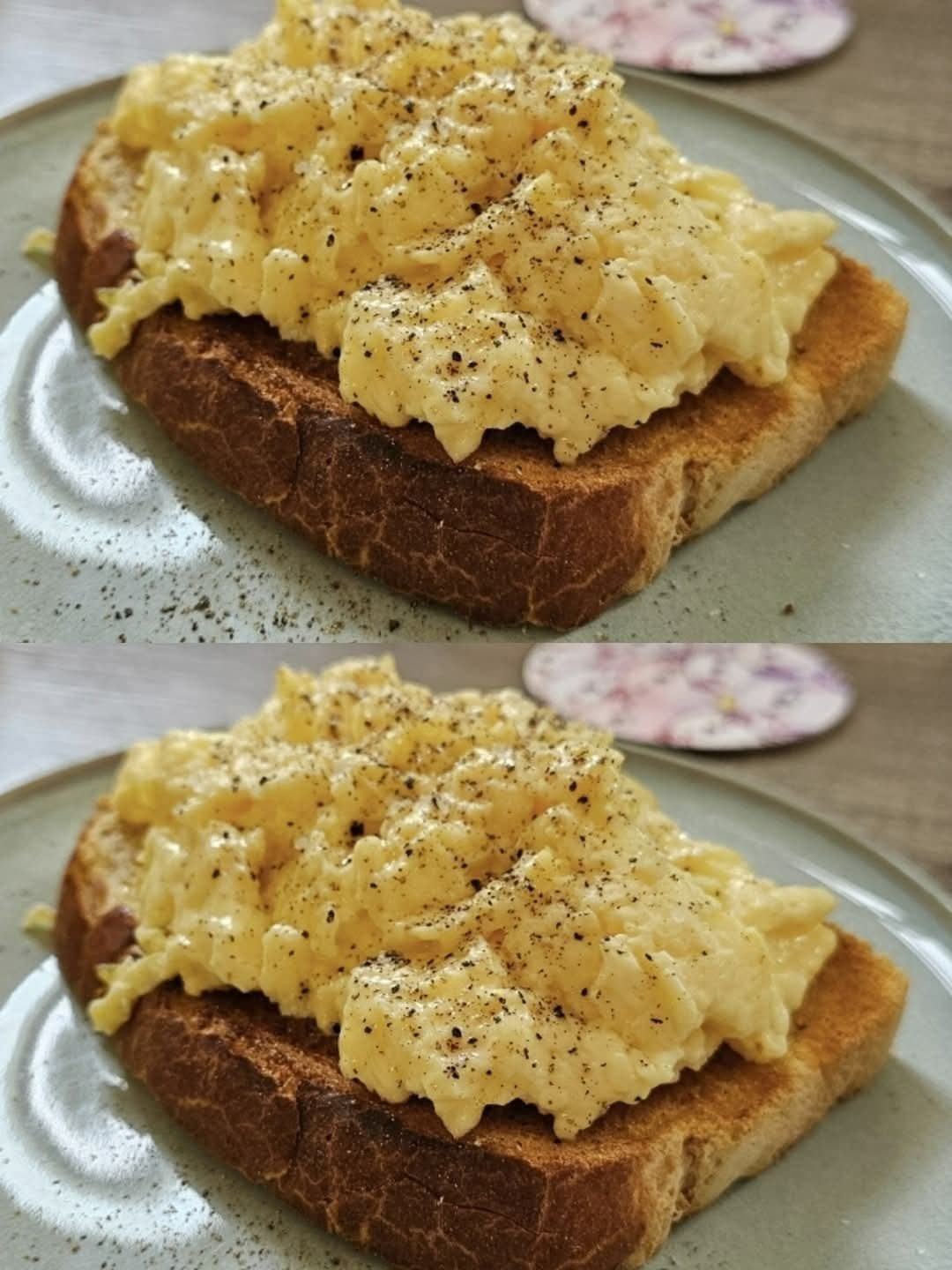
Transfer to a warm plate immediately. Let them rest for 30 seconds (they’ll finish setting). Grind fresh pepper over the top.
Visual Cues: How to Know They’re Perfect
Perfect: Large, soft, glossy, yellow curds. A tender, custardy texture that mounds on the plate.
Overcooked: Small, firm, dry, pale curds. A rubbery, bouncy texture that may leak water.
Pro-Tips for Next-Level Eggs
The Double-Boiler Method: For foolproof, custard-like eggs, cook them in a heatproof bowl set over simmering water, stirring constantly.
The Gordon Ramsay Touch: Follow the method above, but finish with a dollop of cold creme fraiche and a sprinkle of fresh chives.
Pan Choice Matters: Avoid cast iron for delicate scrambled eggs—it’s harder to control the heat precisely.
Cheese, Herbs, etc.: Fold in any additions (grated cheese, chopped herbs) during the final off-heat stage.
Troubleshooting
Watery Eggs: Heat was too high, forcing moisture out too quickly.
Rubbery Eggs: Heat was too high and/or they were stirred too aggressively.
Gray-Green Color: Sign of severe overcooking from too-high heat.
Conclusion: Mastery Through Patience
Perfect scrambled eggs are a lesson in restraint. They reward the cook who respects the process: low heat, gentle hands, and the courage to stop just short of “done.” Once you master this rhythm, you’ll produce creamy, dreamy eggs that turn an ordinary morning into something quietly luxurious.