Introduction:
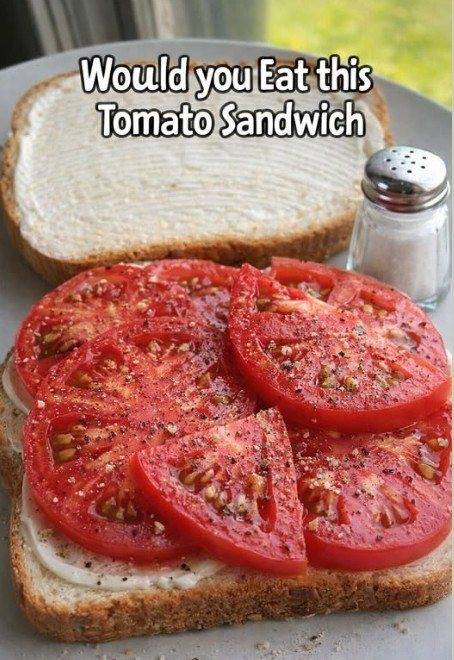
The tomato sandwich is a deceptively simple classic: a few slices of ripe tomato, a smear of mayo (or another spread), a sprinkling of salt and pepper, all hugged by bread. Yet when the details are right—ripe but firm tomatoes, the right bread, careful seasoning, and thoughtful assembly—the result is a revelation of texture and pure summer flavor. This article walks through ingredient choices, precise technique, assembly, storage, and creative variations so you can make a perfect tomato sandwich every time.
Ingredients:
2 slices good-quality bread (see Tips) — slightly crusty country loaf, sourdough, or a hearty white loaf are classics
1–2 ripe tomatoes (beefsteak, heirloom, or vine-ripened), 1/2″–3/4″ thick slices
Salt (kosher or flaky sea salt recommended)
Freshly ground black pepper
2–3 tablespoons high-quality mayonnaise (or Greek yogurt for tang)
Optional: a light drizzle of extra-virgin olive oil or a tiny swipe of softened butter
Optional aromatics: fresh basil leaves, thinly sliced red onion, microgreens, or a few torn arugula leaves
Optional acid: a few drops of sherry vinegar or a squeeze of lemon (use sparingly)
Instructions:
Choose and prepare tomatoes: Pick tomatoes that are ripe but still hold shape—soft, mealy tomatoes will make the sandwich soggy. Rinse and pat dry. Slice to 1/2″–3/4″ thickness for good balance between juice and structure. If tomatoes are especially juicy, set slices on paper towels and lightly salt for 5–10 minutes, then blot off excess moisture.
Season the tomatoes: Lightly sprinkle salt on both sides of each slice right before assembly; salt draws out flavor and helps the tomatoes taste brighter. Add a twist or two of freshly ground black pepper. If using red onion, sprinkle a tiny pinch on the tomato edge to marry flavors.
Prepare the bread: Toasting is optional and depends on texture preference. Lightly toasting the bread gives structure and a pleasant crunch against juicy tomato. Spread mayonnaise (or chosen spread) evenly on one or both slices; this creates a moisture barrier and adds creaminess. For a richer note, rub the warm toast with a cut garlic clove before spreading mayo for subtle garlic aroma.
Assemble: Place a layer of seasoned tomato slices on the mayo-coated slice of bread. Arrange slices with slight overlap for even coverage. Add fresh basil leaves or arugula if using. Drizzle very lightly with extra-virgin olive oil or a few drops of sherry vinegar if desired. Top with the second slice of bread, mayo-side down.
Press and slice: Press gently to compact the sandwich slightly (don’t squeeze hard—let the juices stay). Cut the sandwich on the diagonal for a classic presentation; serve immediately so bread retains texture.
Serving and Storage:
Serving: The tomato sandwich is best served immediately to enjoy the contrast of crisp bread and juicy, cool tomato. Pair it with crisp pickles, kettle chips, a light green salad, or a bowl of chilled gazpacho. For a heartier lunch, serve with a handful of cooked grain salad or a soft-boiled egg on the side.
Storage: Because of moisture in the tomato, assembled sandwiches do not keep well for long. If you must pack one for later, keep components separate: slice tomatoes and season them briefly, pack bread and spread in one container and tomatoes in another, then assemble within 30–60 minutes before eating. Prepared, wrapped sandwiches can be refrigerated for up to 2–3 hours but expect some sogginess. Leftover tomato slices can be refrigerated for 1–2 days and used in salads or on toast.
Tips:
Tomato choice matters: beefsteak and heirloom tomatoes offer large, flavorful slices; Roma/plum tomatoes are meatier and less juicy, which can reduce sogginess.
Salt wisely: use flaky sea salt or kosher salt for immediate seasoning; too much table salt can overwhelm. Salt draws moisture—season right before serving unless you plan to blot juices.
Bread selection: choose bread with some structure—lightly toasted sandwich loaves, sourdough, or a country boule resist sogginess better than ultra-thin sandwich bread. For a softer sandwich, use mayo on both slices to create a better moisture barrier.
Mayonnaise alternatives: use aioli for garlic flavor, pesto for herbal lift, or a smear of cream cheese mixed with lemon zest for tang. For a lighter option, Greek yogurt or a yogurt-herb spread works well.
Prevent sogginess: blot tomato slices on paper towel if very juicy; toast or grill the bread; spread a thin layer of butter or mayo as a moisture barrier.
Enhance aroma: rub warm toast with a garlic clove before spreading mayo for subtle, restaurant-style flavor.
Variations:
Classic BLT-style: Add crisp bacon and lettuce to the tomato sandwich for smoky crunch.
Caprese-inspired: Replace mayo with a smear of pesto or a drizzle of balsamic reduction; layer fresh mozzarella and basil with tomato.
Spicy kick: Spread chipotle mayo or harissa on the bread and add sliced jalapeño or peppery arugula.
Cheesy melt: Add a slice of sharp cheddar or provolone and briefly press the sandwich in a skillet until the cheese melts—serve warm.
Open-faced tartine: Toast a single slice, spread ricotta or labneh, top with seasoned tomato and herbs for an elegant presentation.
Herb & citrus: Mix mayo with lemon zest and chopped chives or dill for a bright variation that complements ripe tomato.
Avocado-Tomato: Add smashed avocado under the tomato for creaminess and healthy fats.
Tips:
Layer thoughtfully: place herbs between tomato slices and bread, not on the outer face, to prevent windblown herbs and to keep presentation tidy.
Season layers: a light pinch of salt on the bread’s mayo can balance flavors and carry seasoning through the sandwich.
Time your assembly: assemble right before serving for peak texture; if assembling slightly early, use sturdier bread and blot tomatoes.
Conclusion:
The perfect tomato sandwich is proof that simple ingredients, treated with intention, can be transcendent. Selecting the right tomato, applying just enough salt, choosing appropriate bread, protecting against sogginess, and adding small flavor boosters (fresh herbs, a touch of olive oil or vinegar, or a well-chosen spread) elevate a humble sandwich into a memorable bite. With the tips and variations above, you can tailor the tomato sandwich to seasons, occasions, and preferences—whether as a fast summer lunch or a composed starter on a casual dinner menu.
FAQ:
Q: What if my tomatoes are out of season?
A: In cooler months, choose greenhouse-vine tomatoes or consider lightly roasting tomato slices with olive oil and salt to concentrate flavor before using. Roasted tomatoes make an excellent substitute for raw summer fruitiness.
Q: How do I keep the sandwich from becoming soggy in a packed lunch?
A: Pack components separately and assemble shortly before eating. Use sturdier breads, toast them, and spread a barrier of mayo or butter on each slice to reduce moisture migration.
Q: Can I make a vegan version?
A: Yes—use plant-based mayo or smashed avocado instead of mayo, and choose vegan bread. Add nutritional yeast or a vegan cheese slice for a cheesy note.
Q: Should I peel tomatoes?
A: Peeling is optional. Tomato skins add texture and color; leave them on for rustic simplicity. If skins are thick or you prefer a smoother bite, blanch and peel the tomatoes quickly.
Q: Any tips for seasoning balance?
A: Salt first, taste, then add pepper and optional acid (a drop of sherry vinegar or lemon) sparingly. Fresh herbs add aroma—use basil or chives for classic pairings, or dill for a brighter profile.