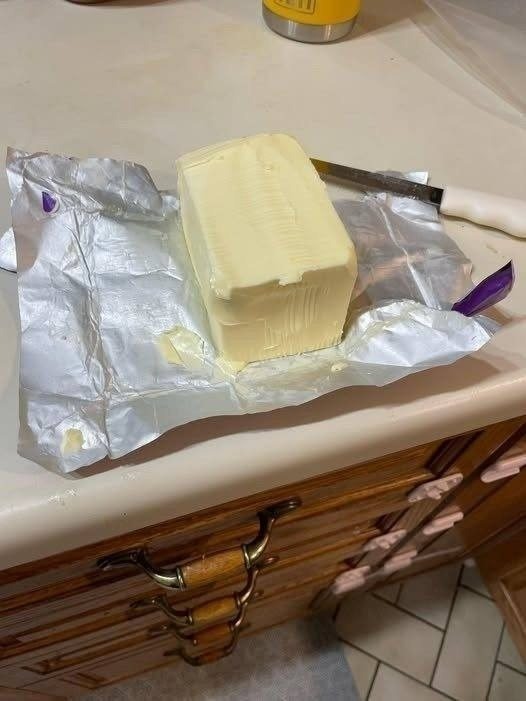
Few kitchen debates are as surprisingly heated as the question of whether butter should live in the fridge or sit happily on the counter. Many home cooks swear by soft, spreadable, room-temperature butter—perfect for toast or baking. Others insist it must stay refrigerated at all times.
So what’s the truth?
Good news: Butter can be left out safely—if you store it properly.
Butter is mostly fat, which makes it much less hospitable to bacteria than many other dairy products. But that doesn’t mean you can simply leave it uncovered and exposed indefinitely. The key is knowing how to store it at room temperature so it stays fresh, safe, and delicious.
Why Butter Can Stay at Room Temperature
Unlike milk or cream, butter contains relatively little water and is high in fat. This combination slows bacterial growth. Traditional kitchens all over the world have kept butter at room temperature for generations.
What matters most is:
Salt content (salted butter is more stable than unsalted)
Clean storage (a covered dish prevents contamination)
Room temperature (moderate, not hot)
How Long Butter Can Sit Out
For Complete Cooking STEPS Please Head On Over To Next Page Or Open button (>) and don’t forget to SHARE with your Facebook friends
General kitchen guidelines suggest:
Salted butter: Can sit out for several days to about a week when kept covered in a cool, clean environment.
Unsalted butter: Best to leave out only what you will use within a day or two because it has no added protection against spoilage.
Whipped or flavored butters: These should stay refrigerated unless freshly made and used immediately, since added ingredients may spoil faster.
If your kitchen regularly gets warm (above typical room temperatures), refrigeration is the safer choice.
The Best Ways to Store Butter on the Counter
1. Use a Covered Butter Dish
A simple butter dish with a lid keeps out dust, odors, and airborne particles while slowing oxidation—the main reason butter tastes “off.”
2. Cut Only What You’ll Use Soon
Keep the main block refrigerated and place a smaller portion (half-stick or less) in the dish. Refill as needed.
3. Keep It Away from Heat
Store butter far from the stove, oven, or direct sunlight. Heat softens it excessively and speeds up spoilage.
4. Consider a French Butter Crock
A butter crock keeps butter airtight and cool using a small water seal—an elegant way to keep butter spreadable without refrigeration.
How to Tell If Butter Has Gone Bad
Butter doesn’t usually spoil in a way that makes you sick, but it can become unpleasant. Signs it’s time to toss it include:
A sour or soapy smell
A darker yellow surface or oily appearance
A bitter or odd taste
Visible mold (rare, but discard immediately if present)
If in doubt, throw it out.
The Case for Countertop Butter
There’s a reason chefs, bakers, and home cooks love room-temperature butter:
It spreads beautifully
It creams better for baking
It makes everyday cooking more convenient
It keeps its flavor and texture at their best when used quickly
With simple precautions, you can enjoy soft, delicious butter anytime without compromising safety.
Final Thoughts
Yes, you can leave butter on the counter—just do it responsibly. Keep it covered, portioned, and away from heat, and you’ll have safe, spreadable butter ready whenever you need it. A little attention goes a long way toward keeping your kitchen both convenient and food-safe.
If you’d like, I can also write: