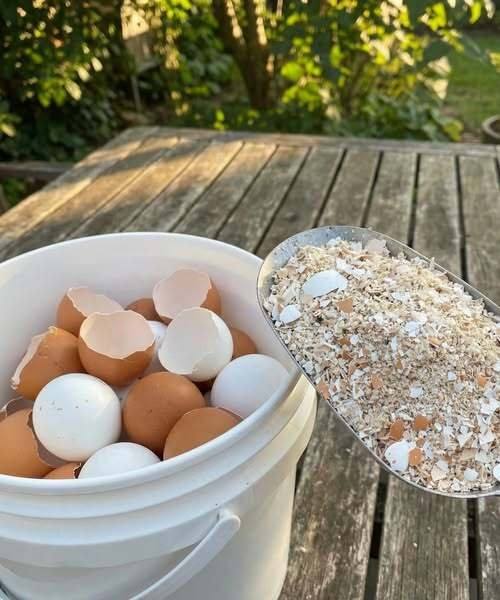
One of the most common applications for prepared eggshells is in gardening. Crushed eggshells can be added directly to compost, where they slowly release essential minerals like calcium, which is critical for healthy plant growth. When sprinkled into garden soil, the shells can help enrich nutrient-deficient areas, improve soil structure, and promote robust root development over time. Gardeners also often use coarsely broken shells as a natural pest deterrent; scattered around vulnerable plants, the sharp edges can help discourage slugs, snails, and other crawling insects from causing damage. Another creative gardening use is as miniature seed-starting containers: simply place a small amount of potting soil in half an eggshell, plant your seeds, and once seedlings have sprouted, plant the entire shell in the garden. The shell decomposes naturally, slowly releasing nutrients directly to the growing plant. This method reduces the need for plastic seed trays and integrates seamlessly with eco-friendly gardening practices.
Eggshells can also be put to good use inside the home. Finely crushed shells, when mixed with a bit of soapy water, make an effective and gentle abrasive for cleaning pots, pans, and sinks. Unlike harsh chemical cleaners or synthetic scrubbing pads, eggshells are biodegradable, non-toxic, and safe for many surfaces, providing an environmentally friendly alternative for everyday cleaning tasks. Beyond scrubbing, some people grind eggshells into an ultra-fine powder to add to homemade cleaning products, combining their mineral content with natural acids or detergents to boost effectiveness without resorting to industrial chemicals.
While eggshells are highly versatile, it is important to approach their use with realistic expectations. They are not a substitute for medical supplements or professional treatments and should never be relied upon as a primary source of calcium for dietary purposes. Overly abrasive use, particularly on delicate surfaces, should also be avoided to prevent scratches or damage. However, when used thoughtfully, eggshells can reduce waste, support sustainability, and add convenient solutions to everyday household tasks. They illustrate the value of rethinking what we consider “trash” and highlight how small habits can make a meaningful difference in reducing environmental impact.
In addition to practical uses, repurposing eggshells encourages a mindset of resourcefulness and creativity. For example, artists and crafters have discovered that eggshells can be incorporated into decorative projects, such as mosaics, homemade ornaments, or even as a natural texture in painting. Some eco-conscious households crush eggshells to scatter on windowsills or in potted plants as a natural deterrent for ants or other small insects. By finding multiple purposes for this overlooked material, you extend the lifecycle of a simple kitchen byproduct, creating both functional and aesthetically pleasing outcomes.
In summary, eggshells offer far more than most people assume. With minimal effort, they can transition from waste to a helpful resource, enriching soil, aiding cleaning, and inspiring creative applications around the home. By adopting this practice, you embrace a low-waste, resourceful lifestyle while discovering that even the simplest household items can retain value long after their initial use. Through careful preparation and thoughtful application, eggshells become a tangible example of sustainability in action, proving that small changes in daily habits can have lasting benefits for both your household and the environment.